Workplace Etiquette: Rules for Presence and Respect at Work
Competence alone isn't enough at work; the way you show up and deal with people shapes half of how others see you. Workplace etiquette is the set of manners that makes the work environment respectful and productive: how you present yourself, how you communicate, and how you respect other people's time and standing. This complete guide sets out its practical rules in detail, and their impact on your career.
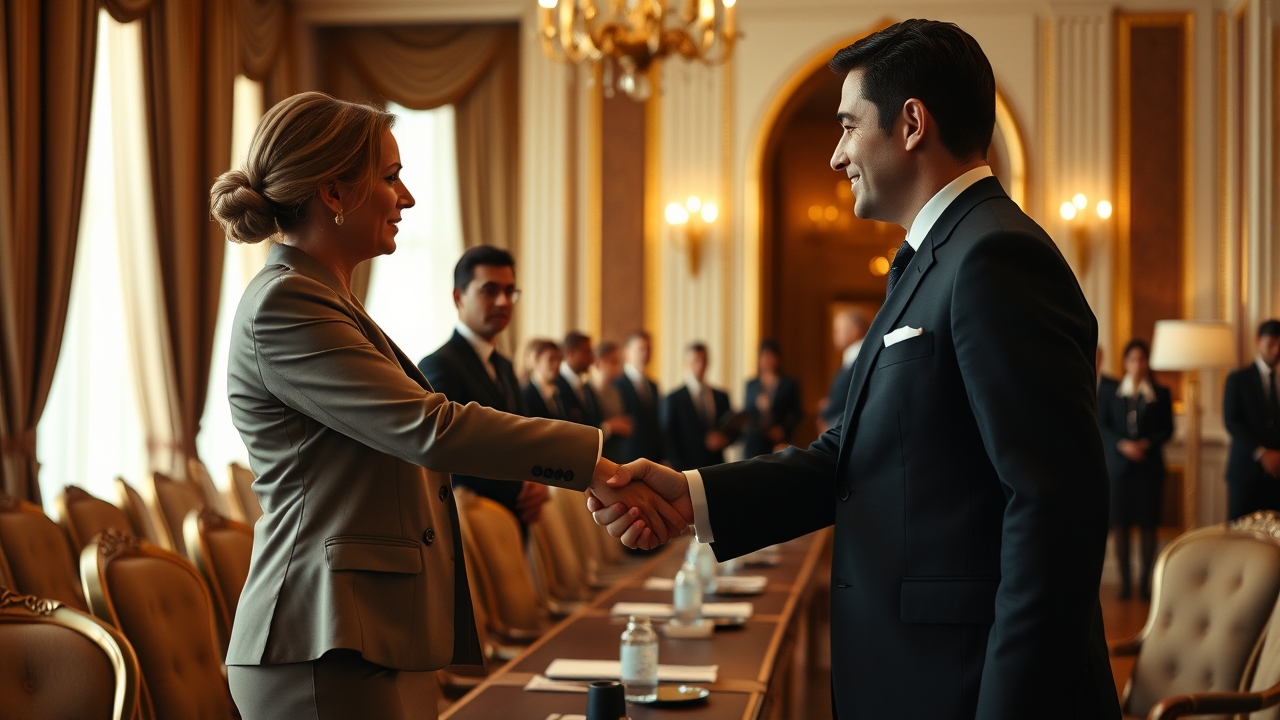
Presence and appearance: your first impression
First impressions are formed in seconds, before you even speak. A neat appearance suited to your workplace, punctuality and respect for other people's space all say that you are serious and respectful before you've proved your competence.
Punctuality is respect
Being late isn't a detail; it's a message: that your time matters more than other people's. Being on time — for meetings and for tasks — is one of the strongest signals of professional respect.
Appearance that suits the occasion
The goal isn't luxury but appropriateness: a neat appearance that suits the nature of your work and the setting of the meeting. Overdoing it and underdoing it both draw attention in the wrong way.
How to communicate with colleagues and managers
The core of workplace etiquette is respectful communication:
- Listen before you respond, and don't interrupt.
- Address each person in a way that suits their position, without stiffness or overfamiliarity.
- Criticize the idea, not the person; praise in public and correct in private.
- Respect the chain of command without losing your polite voice.
Meeting and email etiquette
A well-run meeting respects everyone's time: come prepared, stick to the agenda, and don't use your phone during it. A professional email should be clear and courteous, with a precise subject line and a reply within a reasonable time.
These small details add up to your professional reputation: someone people can rely on and who is respectful to work with.
Phone and messaging etiquette
Digital communication is part of your professional etiquette:
Clarity and respect in every message
Reply within a reasonable time, write clearly and politely, and avoid hasty or needlessly long messages. A professional call begins with a greeting, ends with a thank-you, and respects the other person's schedule.
Why etiquette makes a difference in your career
In an environment where many people are equally competent, etiquette makes the difference: promotions, sensitive assignments and external relations go to the people whose conduct the organization trusts, not just their competence. See also diplomatic protocol.
And because etiquette is a skill that can be learned, documenting it with an accredited certificate turns it into a visible advantage in your professional profile.
An accredited certificate in protocol and etiquette
Build your protocol and etiquette skills and earn a certificate authenticated by QR code that employers can verify instantly.
Learn more →Frequently asked questions
What is workplace etiquette, in short?
The set of manners that govern behavior at work: presence and appearance, respectful communication with colleagues and managers, and meeting, email and phone etiquette — so the workplace is respectful and productive.
Why does punctuality matter?
Because being late sends the message that your time matters more than other people's. Punctuality is one of the strongest signals of professional respect and builds the organization's trust in you.
How do I criticize a colleague respectfully?
Criticize the idea, not the person; praise in public and correct in private. This preserves your colleague's dignity and keeps the relationship professional and productive.
What is professional email etiquette?
A precise subject line, clear and courteous writing, and a reply within a reasonable time. Avoid hasty or needlessly long messages; open with a greeting and close with a thank-you.
Does etiquette affect promotion?
Yes. When many people are equally competent, sensitive assignments and promotions go to those whose conduct the organization trusts. Etiquette is a real competitive advantage.