How to Organize a Successful Official Event in Algeria: A Practical Guide
A successful official event doesn't happen by chance; it comes from careful planning that respects protocol and manages every detail. A single mistake in precedence or reception can spoil the whole impression. This practical guide takes you step by step from advance planning to the day of the event, with time management and a practical checklist, so your event is run with the professionalism your guests deserve.
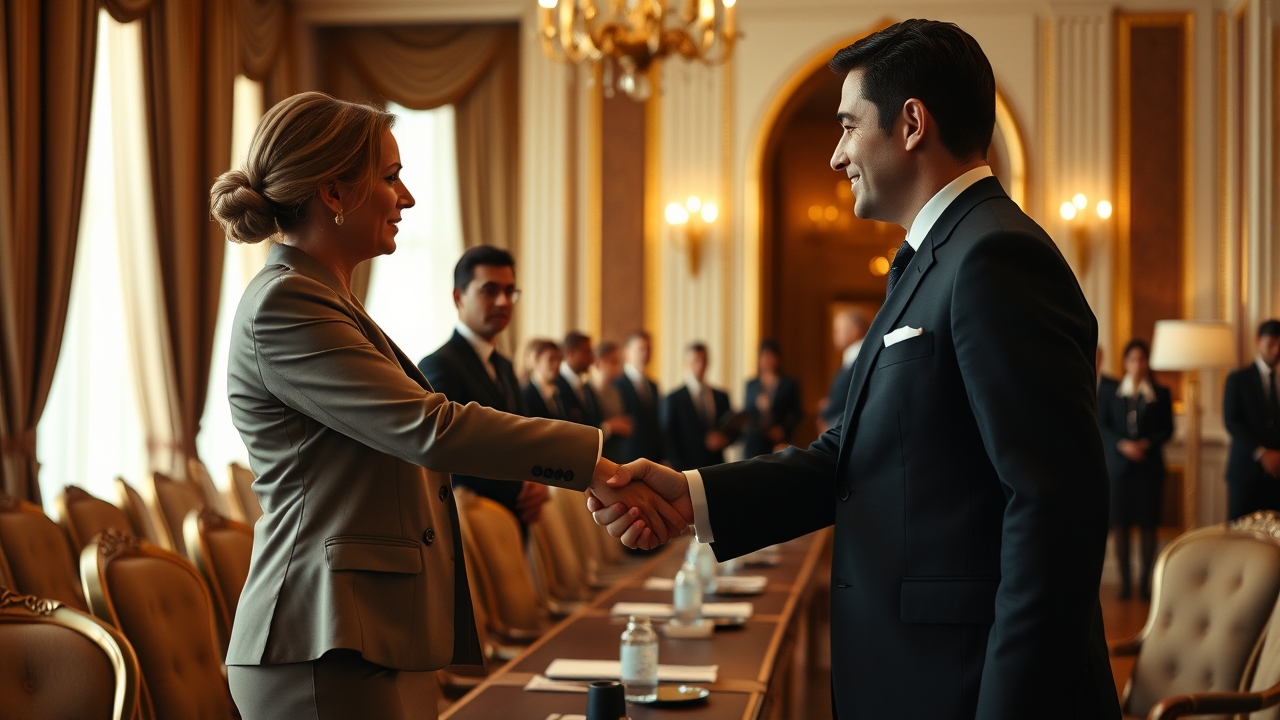
Advance planning: the foundation nobody sees
An event's success is decided weeks before the day. Define the objective, the audience, the guest list by rank, the budget and the right venue. Every later detail is built on this foundation.
The guest list and precedence, early on
Rank guests by official precedence from the start, because it governs invitations, seating and speeches. Putting this decision off until the day itself is a recipe for embarrassment.
Budget and venue
Choose a venue that matches the stature of the event and the number of guests, and set a clear budget covering the hall, hospitality, technical equipment and contingencies. The wrong venue or a short budget will show on the day.
Precedence and seating
Precedence is the heart of event protocol: who sits where, who is introduced first, and who speaks before whom. The wrong order is read as an insult, even if it wasn't intended.
- Seat guests by official rank, not by personal acquaintance.
- Assign front-row and podium places carefully and clearly.
- Prepare name cards and a written seating plan — no improvising.
- Review the arrangement with a qualified protocol office before the event.
Managing reception and ceremonial
Reception is the first impression: who receives the guests, how and where. Put together a reception team that knows the guests and their rank, and guide them smoothly to their places. See the protocol for receiving dignitaries.
Run the ceremony in a clear sequence: opening, speeches in order of precedence, the main segment, then the closing — without improvisation that breaks the rhythm.
Managing time and the program
An event that runs late or drags on without control wears out its guests:
A timed program with an owner for each segment
Set a realistic schedule for each segment and appoint someone to keep the pace. Keeping to time is a sign of respect for your guests, and accumulated delays spoil the end of the event however good the beginning was.
Event day: the checklist
On the day itself, disciplined execution makes the difference:
- Check the venue, seating, sound and lighting before guests arrive.
- A reception team that is ready and knows the guests and their places.
- A precise timed program with someone responsible for each segment.
- A backup plan for emergencies (a guest running late, a technical fault).
An accredited certificate in protocol and etiquette
Build your protocol and etiquette skills and earn a certificate authenticated by QR code that employers can verify instantly.
Learn more →Frequently asked questions
What is the most important step in organizing an official event?
Advance planning and setting precedence early. An event's success is decided weeks before the day by defining the objective, the guests by rank, the venue and the budget.
How do I arrange seating at an official event?
By official rank according to precedence, not personal acquaintance, with name cards and a written plan prepared in advance and reviewed with a qualified protocol office before the event.
Why is precedence so important?
Because the wrong order in seating, introductions or speeches is read as an insult even if it wasn't intended, and it can spoil the impression of the entire event.
How do I manage the event's time?
With a realistic schedule for each segment and someone who keeps the pace. Keeping to time respects your guests, and accumulated delays spoil the end of the event.
What should I prepare for event day?
A checklist: venue, seating, sound and lighting; a reception team that knows the guests; a timed program with an owner for each segment; and a backup plan for emergencies.