What Is Diplomatic Protocol? Definition, Rules and Importance
Diplomatic protocol isn't empty formality; it's a silent language that governs official relations and protects mutual respect between the parties. From organizations to states, protocol determines who takes precedence over whom, how ceremonies are run, and how guests are received. This complete guide explains what diplomatic protocol is, its origins, core rules and types, why it remains a valuable skill in any formal setting, and how to learn it.
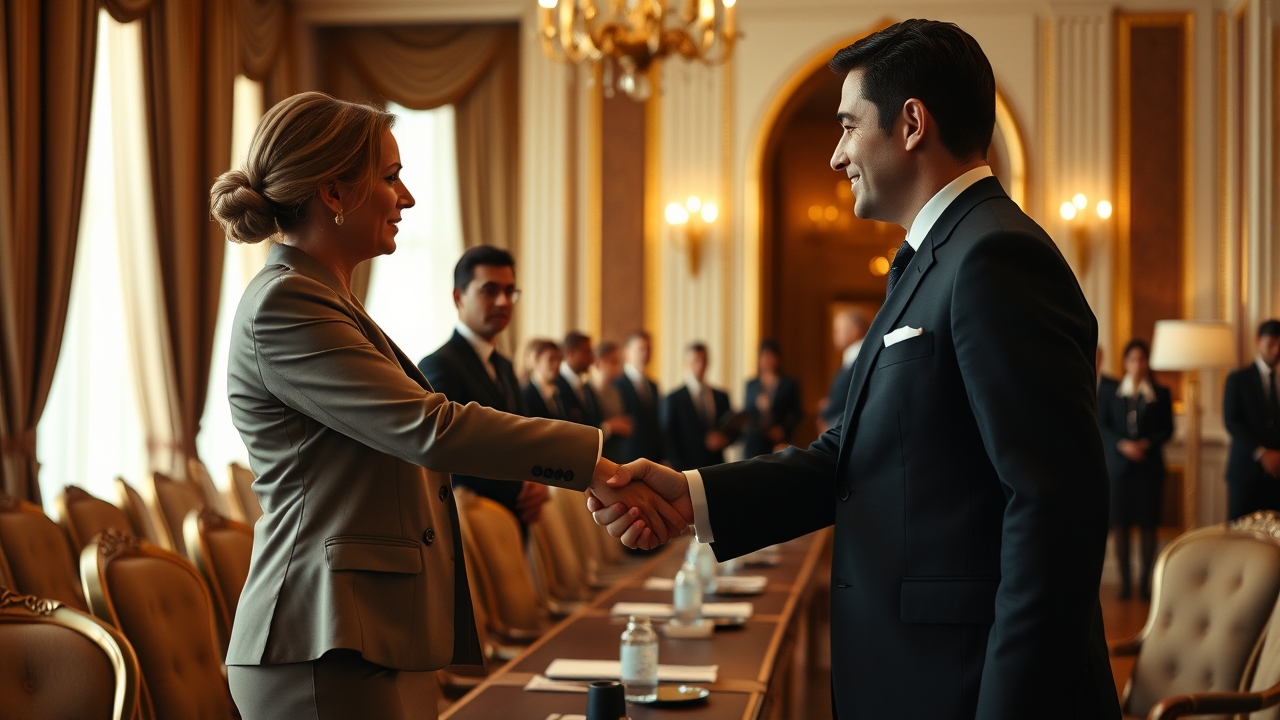
Defining diplomatic protocol
Diplomatic protocol is the set of rules and customs that govern official dealings between people, organizations and states: how guests are received, how precedence is ordered, and how official occasions are run. Its purpose is to preserve mutual respect and prevent embarrassment or misunderstanding.
A silent language of respect
Every detail of protocol — from seating arrangements to the order of greetings — carries a message of respect. Mastering it means expressing appreciation without words, and avoiding the unintended offense that could spoil an official relationship.
Not affectation, but professionalism
Some see protocol as needless affectation, but it is actually a professional tool that makes the other party feel valued and protects the relationship from missteps. When it's done well, nobody notices it; when it goes wrong, everyone notices immediately.
The core rules of protocol
However varied the occasions, protocol is governed by constant principles:
- Precedence: ordering people by official rank for seating, introductions and speeches.
- Courtesies: greeting, receiving and seeing off guests according to customs that respect each party's standing.
- Ceremonial: running the official occasion in a clear sequence with no improvisation.
- Symbols: respecting flags, emblems and the national anthem in their proper place.
Types of protocol
Protocol isn't one single thing; it takes different forms depending on the context:
From the state to the organization
There is official state protocol (receiving delegations, national ceremonies), organizational protocol (receiving partners, organizing conferences), and the etiquette that goes with them (personal conduct in these situations). They all share the principle of organized respect, and differ in the details depending on the occasion.
Why does protocol matter?
In official and corporate meetings, first impressions are built on details. A small mistake in precedence or reception can be read as an insult, while mastery of protocol builds immediate trust and respect.
That is why protocol has become a sought-after skill not only in diplomacy, but also in organizations and companies that receive dignitaries or organize official events. See the protocol for receiving dignitaries.
How do you learn protocol and get certified in it?
Protocol is a discipline you can learn through structured training: rules of precedence, the art of receiving guests, organizing ceremonies, and the etiquette that goes with them. Read also workplace etiquette and how to organize an official event.
Most importantly, have your skill documented with an accredited certificate that employers can verify — turning knowledge into a tangible professional advantage. Learn about the accredited protocol certificate.
An accredited certificate in protocol and etiquette
Build your protocol and etiquette skills and earn a certificate authenticated by QR code that employers can verify instantly.
Learn more →Frequently asked questions
What is the difference between protocol and etiquette?
Protocol governs official dealings between organizations and states (precedence, ceremonial), while etiquette is the code of personal conduct in everyday and professional interactions. Protocol is broader and more formal.
What is the most important rule of protocol?
Precedence: ordering people by official rank for seating, introductions and speeches. A mistake can be read as an insult, while getting it right builds immediate respect.
Does protocol matter outside diplomacy?
Yes. Organizations and companies that receive dignitaries or organize official events need protocol to build a professional image and avoid embarrassment.
What are the types of protocol?
Official state protocol, organizational protocol for companies, and the etiquette that governs personal conduct — they all share the principle of organized respect and differ in the details depending on the occasion.
How can I learn protocol formally?
Through structured training covering precedence, receiving guests, ceremonial and etiquette, then documenting the skill with an accredited certificate that employers can verify.