Cash on Delivery in Algeria: Why Parcels Get Returned, and How to Lower Your Return Rate
Many merchants treat cash on delivery as an unavoidable burden in Algeria. That's the wrong way to see it. Cash on delivery is the bridge of trust that makes a customer who doesn't know you press the order button in the first place — it's your competitive advantage, not your problem. The real problem isn't the method, but the parcels refused at the door. This complete guide explains why cash on delivery dominates, why parcels get returned in detail, how to reduce returns with concrete steps, how to calculate the true cost of a return, and how to turn this payment method into a weapon rather than a burden.
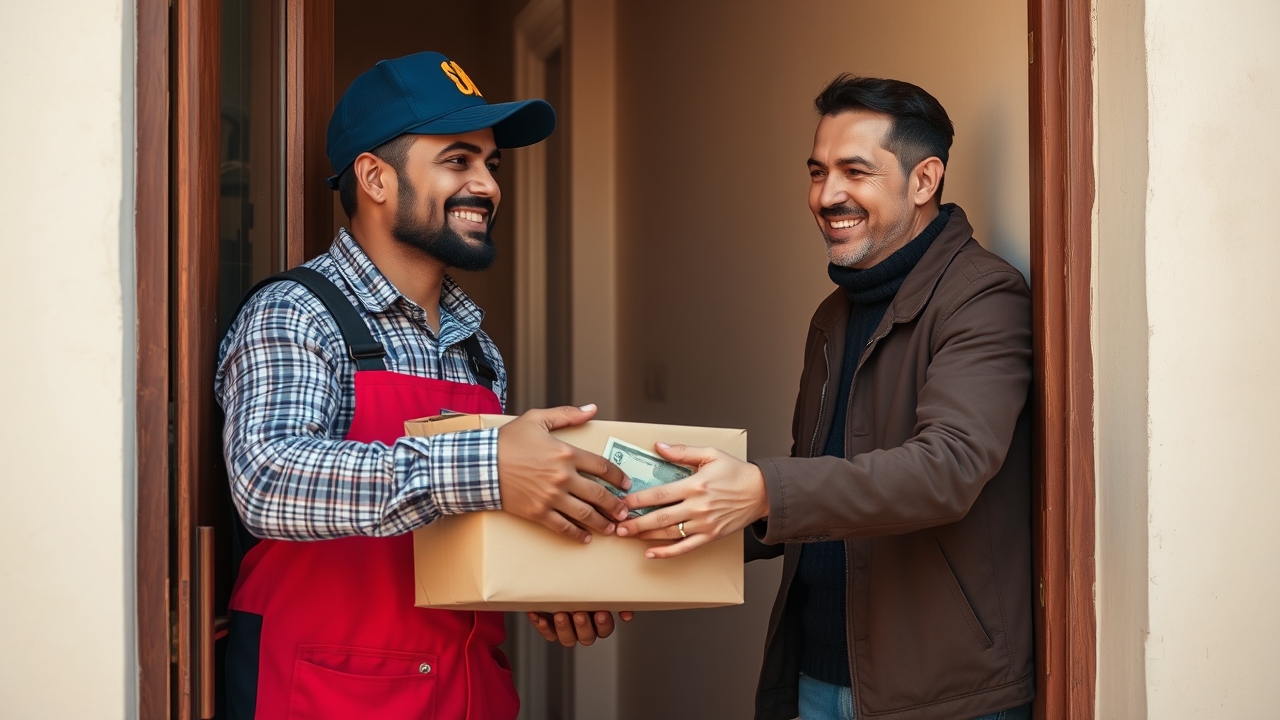
Why does cash on delivery dominate? (and it's not a flaw)
In a market where digital trust is still being built, cash on delivery removes the biggest barrier to buying: the customer's fear of paying and then receiving nothing. When they know they'll inspect the product at their door before handing over a single dinar, the hesitation disappears, and they order from a store they hadn't heard of a few minutes earlier.
Demanding prepayment only means losing the market
In Algeria, anyone who demands prepayment only cuts off a huge share of their customers with their own hands. Cash on delivery isn't a concession; it's what opens the market to you. The only burden it brings is the risk of returns — and that is entirely manageable.
Trust comes before the brand
In the absence of a well-known brand, cash on delivery makes up for the missing trust. It tells the customer: you won't pay unless you've seen it. That message alone opens a door that no ad campaign can.
Why do parcels really get returned? The real reasons
Returns are rarely because the product is bad. In the vast majority of cases the cause is operational and fixable — which is good news, because it means your rate is in your hands, not the market's.
- No confirmation call: the customer ordered in a moment of excitement, then changed their mind, and nobody spoke to them before shipping.
- Unmanaged expectations: an exaggerated photo or incomplete description, so the product arrives different from what they imagined.
- Shipping delays: after a few days the excitement fades and the parcel is refused.
- Wrong phone number or address: the courier can't reach the customer, and the parcel comes back.
- Price surprise: the customer didn't understand the delivery cost in advance and refuses at the door.
- Duplicate or fake orders: the same customer orders from several pages, then accepts only one.
How do you lower your return rate? Concrete steps
Each cause above has a direct fix. Here are the most effective steps, ranked by impact:
A confirmation call before shipping (the most effective)
A short call that confirms the intent to buy, corrects the phone number and address, and explains the price and delivery. This call alone noticeably lowers returns because it filters out non-serious orders before they cost you a delivery.
How to make an effective confirmation call
Be polite and brief: confirm the product, price and address, and ask about the best time for delivery. A polite call builds trust rather than putting people off, and it exposes non-serious orders early.
Honest photos and descriptions
Use real photos of the product, not exaggerated or generated images: the customer will inspect it at the door, and a gap between the photo and reality means a guaranteed refusal. Write a description that clearly explains size and contents.
Fast shipping and choice of carrier
Ship quickly before the excitement fades, and let the customer choose the delivery company they trust in their wilaya — trust in the carrier is part of trust in the order. Check the rates for each wilaya in the delivery guide by wilaya.
- A confirmation call before shipping.
- Real photos and descriptions.
- Fast shipping before the excitement fades.
- Let the customer choose the carrier.
- Make the delivery cost clear in advance.
Calculate the true cost of a return
A refused parcel isn't “zero profit”; it's a clear loss: you pay the outbound delivery, sometimes the return, and you lose your time and the stock tied up throughout the trip. Ten refused parcels out of a hundred can wipe out the margin on all the successful ones.
Cutting returns is worth more than adding orders
Lowering your return rate by two or three points is often worth more than increasing orders: an order that isn't refused is pure profit, with no new acquisition cost. Manage your return figure monthly, exactly as you manage sales, and keep working to bring it down.
Cash on delivery as a competitive advantage
Instead of fighting cash on delivery, make it your weapon: a customer who knows they won't pay until they've seen the product orders with more confidence and less hesitation. Your job isn't to eliminate the method but to master everything around it — confirmation, honest descriptions, reliable delivery — until the parcel that reaches the customer's door is an almost guaranteed sale.
That's what Mystoq was built for: an Algerian store that accepts cash on delivery across 58 wilayas, lets the customer choose the delivery company and gives you order management and confirmation tools instead of message chaos — so you sell more and get fewer returns. Go deeper with how to open an online store and how to choose a winning product.
Sell more, get fewer returns
An Algerian cash-on-delivery store across 58 wilayas, with customer choice of delivery company and order confirmation tools — open it in minutes with a free trial.
Start your store for free →Frequently asked questions
What is a normal return rate in Algeria?
It varies a lot depending on the product, the merchant and the quality of confirmation. What matters isn't an absolute number but your own trend: measure your rate monthly and work to lower it through confirmation, honest descriptions and fast shipping.
Does a confirmation call put customers off?
Quite the opposite: a short, polite call builds trust, corrects the address and phone number, and filters out non-serious orders before they cost you a delivery. It's one of the most effective tools for reducing returns.
Why let the customer choose the delivery company?
Because trust in the carrier is part of trust in the order; a customer who knows and trusts the delivery company in their wilaya is less hesitant to accept the parcel. Mystoq lets the customer choose the carrier when ordering.
Are AI-generated images suitable for my products?
Not for real products that will be inspected at the door: a gap between the image and reality means a refusal. Use accurate, real photos of your specific product.
Is reducing returns more important than increasing orders?
Often, yes. An order that isn't refused is pure profit with no new acquisition cost, while a refused parcel is a clear loss. Cutting returns by two points can outweigh the effect of a new ad campaign.
How do I make an effective confirmation call?
Be polite and brief: confirm the product, price and address, correct the phone number, and ask about the best time for delivery. A polite call builds trust and exposes non-serious orders early.