Algeria's E-commerce Market in 2026: Numbers, Behavior and Untapped Opportunities
E-commerce in Algeria is no longer an emerging market but an everyday reality: many orders are shipped across 58 wilayas, most of them cash on delivery. Yet despite this volume, the market remains one of the least covered by serious analysis in Arabic. This guide breaks the market down from the inside: its context and size, how and why Algerians buy, where merchants sell and at what cost, the challenges nobody mentions, and where the opportunities lie that no competitor has seized yet.
Market context: a large country, redrawn
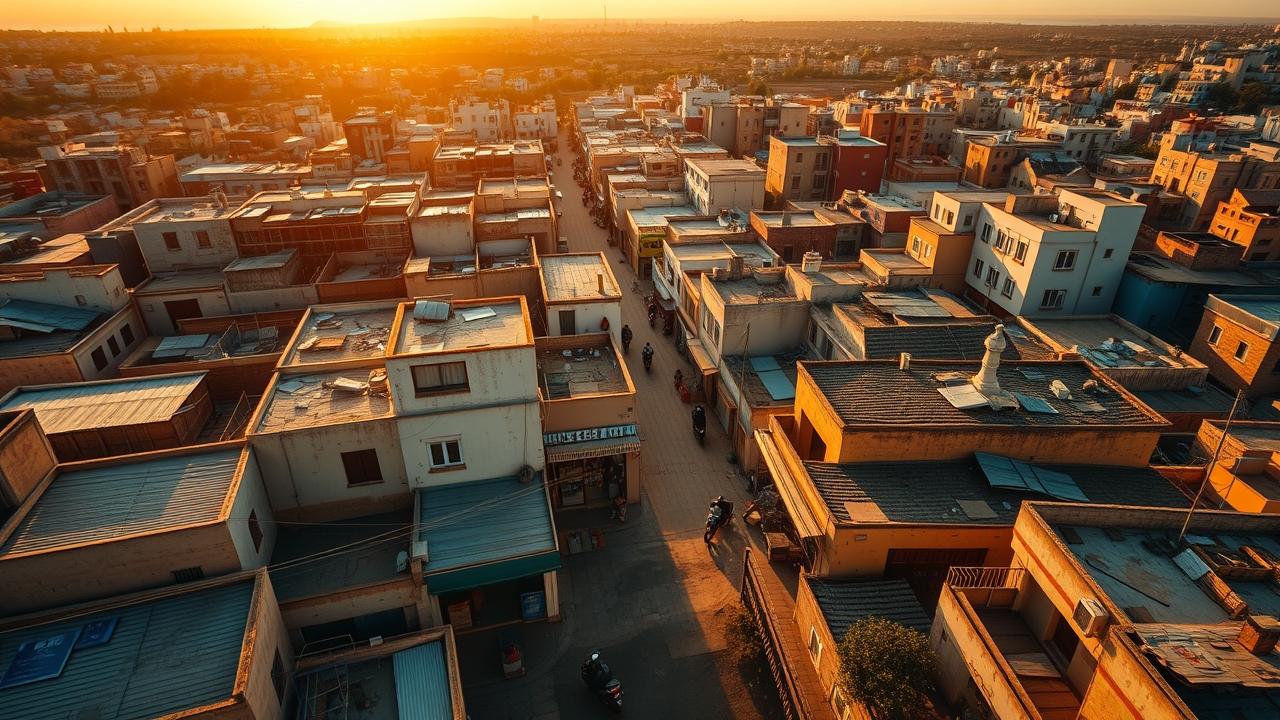
Before the numbers, context governs everything. Algeria is a country of about 45 million people, administratively redivided into 58 wilayas served by delivery networks. This geographic breadth isn't a detail: it means more delivery points, and local markets that were poorly served are now within reach of any merchant selling online.
Mobile first: the rule, not the exception
Usage is overwhelmingly mobile first: Algerians browse and buy on their phones, not their computers. Any store that doesn't work smoothly on a phone screen loses most of its customers before it even starts. This isn't a technical detail but a condition for survival.
Cash on delivery: the market's currency
Cash on delivery is the dominant payment method. Those who build on this reality sell; those who demand prepayment only cut off a huge share of their customers with their own hands. A digital tool that succeeds in Algeria starts from this fact rather than resisting it.
How do Algerians buy? Trust before payment
What most distinguishes the Algerian consumer is wanting to see before paying. The “I'll pay on delivery” culture isn't a flaw in the market but a trust mechanism: the customer inspects the product at the door and then pays, which lowers their fear of fraud and raises their willingness to buy from a store they don't even know.
The buying journey starts on social media
The main discovery channel is social media: Facebook, Instagram and TikTok. Many sales begin with a post or a video, move into a private conversation, then become an order. A professional merchant turns these messy conversations into organized, trackable orders instead of letting them get lost in the inbox.
Trust in the carrier is part of trust in the order
A customer who knows and trusts the delivery company in their wilaya is less hesitant to accept the parcel. That's why letting the customer choose their preferred delivery company reduces returns — trust isn't only in the store but in the entire delivery chain.
Where do merchants sell today? Three models
Three selling models dominate today, and each has its hidden cost:
- Private messages: quick at first, but they lose orders, don't scale and give you no numbers to manage.
- Marketplace platforms: ready-made reach, but you don't own the customer or their data and you depend on someone else's algorithm.
- Your own store: you own the relationship, the numbers and the brand — the only asset that grows with you and works while you sleep.
The real challenges nobody mentions
The market is big but not easy. Those who understand its challenges protect their margin:
Trust and logistics
New customers hesitate, and cash on delivery lowers their risk by shifting it onto you. On top of that comes the logistics challenge: delivering across 58 wilayas with varying prices and lead times, and choosing the right carrier for each destination.
Returns: the biggest profit leak
A parcel refused at the door costs you the outbound delivery, sometimes the return trip, your time and the stock tied up. And its cause is often simple and fixable: a wrong phone number, poorly managed expectations or a shipping delay. Getting these details right protects your margin more than doubling your orders.
Untapped opportunities: where's the gold?
Every challenge above is an opportunity for whoever tackles it first. But the biggest invisible opportunity is Arabic content itself:
Arabic content: a first-mover advantage
Whoever explains to Algerian merchants how to sell, and answers their questions on Google in their own language, builds trust that comes before the sale — in a market almost empty of serious references. This isn't a coincidence but a first-mover advantage that is hard to catch up with later.
Niche products and smarter delivery
The other opportunities are concrete: specialized (niche) products the big players don't serve, delivery optimized at the wilaya level rather than one-size-fits-all, and owning the customer relationship instead of renting it from a platform. A merchant who builds a professional store rather than a chaotic messaging page looks more serious, and so sells more with the same product.
What does this mean for a merchant starting today?
The practical takeaway: the market is big, trust is built through cash on delivery, discovery happens on social media, and profit is protected by controlling logistics and returns. What you need isn't a miracle, but a store that works smoothly on mobile, accepts cash on delivery, ships across 58 wilayas and lets your customer choose the delivery company. Go deeper with how to open an online store in Algeria.
That's exactly what Mystoq was built for: an Algerian online store you open in minutes and start selling, with tools designed for this specific market — not a translated version for another market.
Open your online store today
A complete cash-on-delivery store across 58 wilayas where your customer chooses the delivery company — open it in minutes and start with a free trial.
Start your store for free →Frequently asked questions
Is cash on delivery safe for merchants in Algeria?
It's the most accepted method among customers because it builds trust, but it shifts the return risk to you. You reduce that risk with a confirmation call before shipping, accurate product descriptions and photos, and fast shipping with a reliable carrier for each wilaya.
How many wilayas can I sell to?
Delivery companies reach every wilaya in Algeria (58 wilayas in the delivery network), and a store like Mystoq supports them, lets the customer choose the carrier and calculates the price automatically.
I sell through Facebook — why do I need a store?
Private messages lose orders, don't scale and give you no numbers to manage, and they depend on a platform you don't own. A store brings your products together under one link, organizes orders and gives you data and a brand that grow with you.
What's the biggest mistake new merchants make?
Ignoring returns. A refused parcel costs you delivery twice plus your time, and the causes are usually simple: a wrong phone number or poorly managed expectations. Solid confirmation and accurate descriptions protect your margin.
What's the biggest untapped opportunity in the Algerian market?
Serious Arabic content that teaches merchants and answers their questions on Google — an almost empty space that offers a first-mover advantage — along with niche products and delivery optimized at the wilaya level.